
Why Those Closest to Injustice Must Shape Justice
Access to justice remains one of the most unevenly distributed resources in the world.
In a recent conversation on the Pursuing Justice podcast, founder and CEO Alexander McLean reflects on what happens when those denied access to the law are equipped to understand and use it.
The moment everything changed
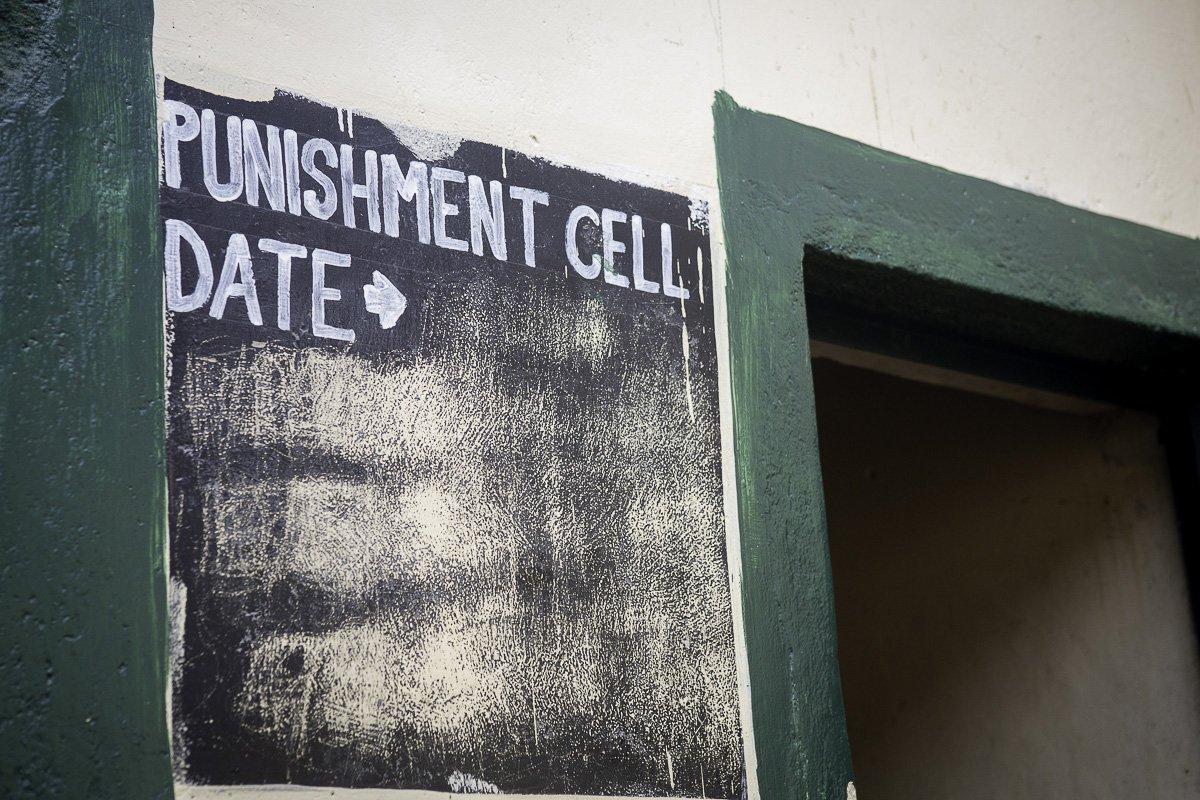
At 18, Alexander travelled to Uganda to volunteer in a hospice. In a government hospital, he encountered a man lying untreated on the floor, unidentified and alone. Because he had no money, he was not receiving care. The next day, the man had died.
Soon after, he began meeting prisoners who were denied care simply because they wore prison uniforms.
The pattern was clear: exclusion not only from services, but from systems entirely.
The root problem
“We were dealing with the fruit of the problem. The root of the problem was injustice.”
The visible failures of justice systems such as overcrowded prisons, prolonged detention, and deteriorating conditions are symptoms.
In many contexts, people can spend years in prison without ever meeting a lawyer. They may not understand the charges against them. They may never have the opportunity to tell their side of the story.
“What would it look like to ensure that everyone has a chance to tell their side of the story before they are convicted or punished?”
This question reframes the issue. It is not only about conditions. It is about access.
A response of the heart
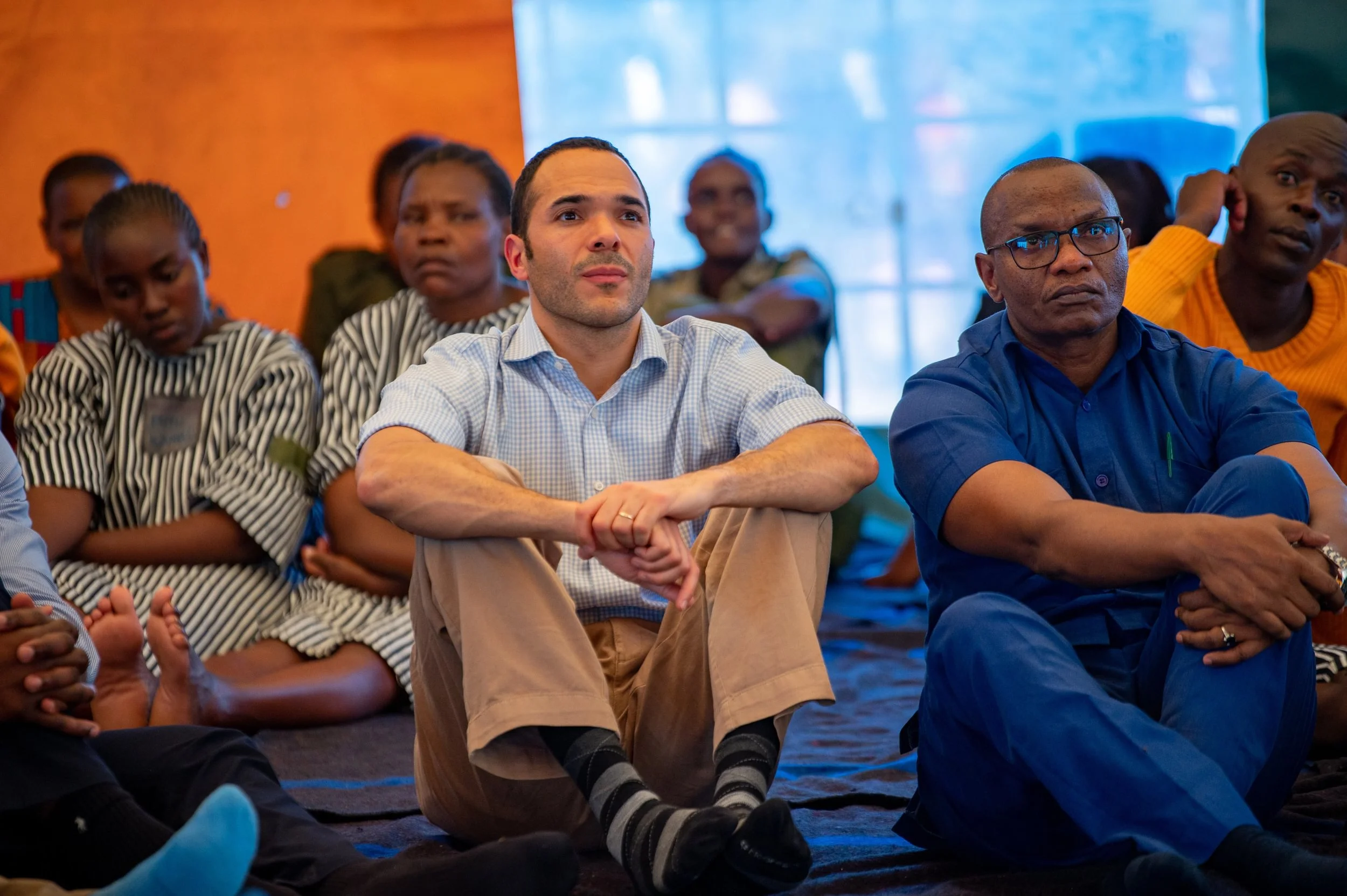
Justice Defenders responds by building legal capacity within the system itself.
Incarcerated people and prison officers train together as paralegals. They study the law, apply it in real cases, and support others to navigate the justice system.
Participants undertake rigorous training, including University of London law degrees, equipping them with formal legal knowledge. Prisoners and officers learn and work together, reshaping relationships that are typically defined by hierarchy and distance. Graduates move into roles where they influence cases, institutions, and, increasingly, the law itself.
The result is improved case outcomes, and a shift in how justice is understood and practiced from within.
At its core, the model creates a community of unlikely allies.
Prisoners and officers study and practise law together. Judges and prosecutors engage with them. Legal processes become more participatory, more informed, and more accountable.
“Proximity changes us.”
This shifts behaviour within institutions and builds the conditions for systems change. A transformation generated from within.
What comes next
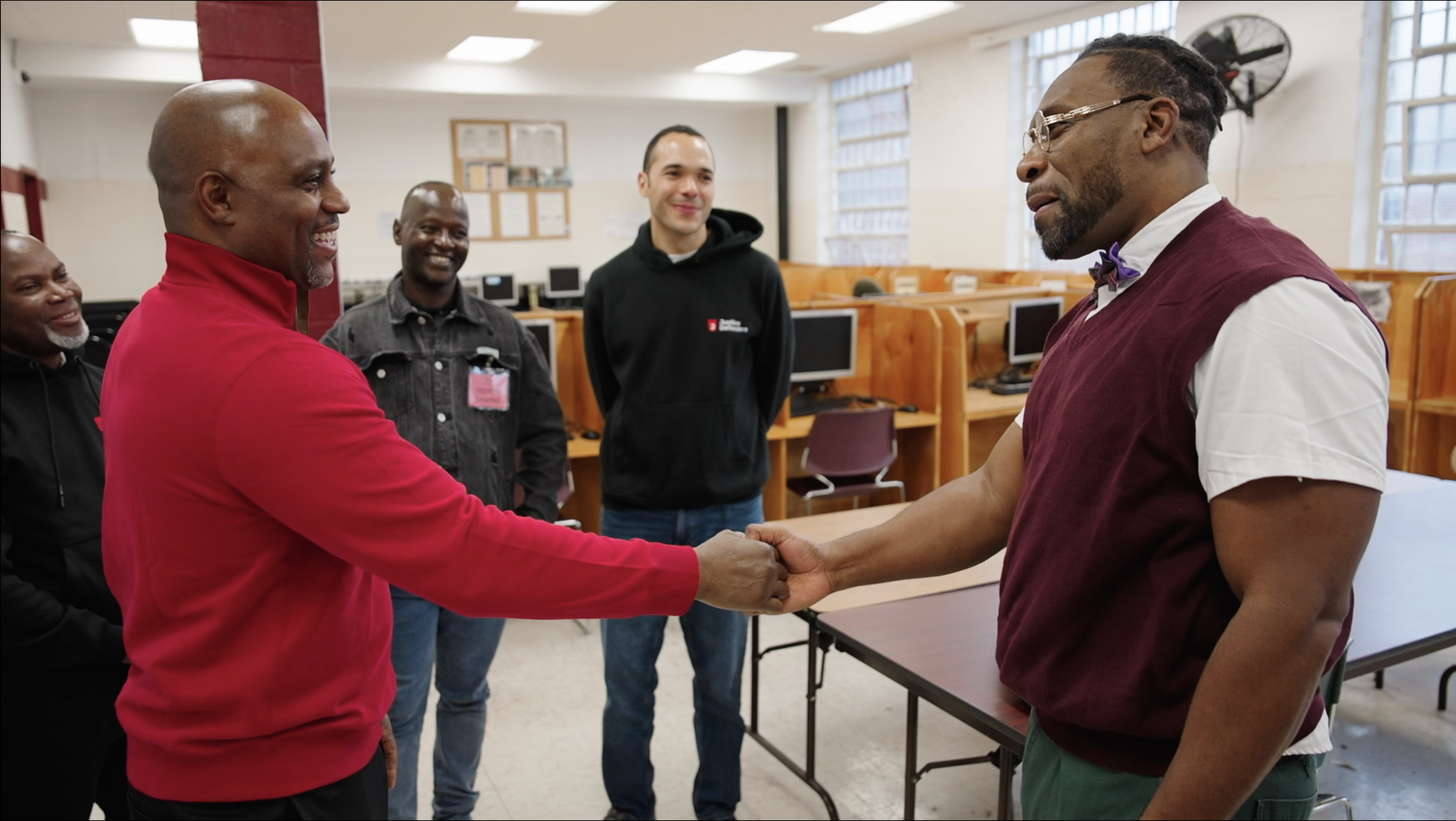
Justice Defenders is now extending this model.
Establishing a law firm of lived experience, where formerly incarcerated lawyers practise together, bringing insight shaped by the system itself.
Expanding into new prisons and increasing public interest litigation.
Beginning to build the model in the United States, adapting it to a different legal and institutional context.
The ambition is not only to transform individual cases, but to influence how justice systems operate over time.
Support this work to equip people closest to injustice with the tools of the law.