
OUR MODEL
A ten-step process built to strengthen justice systems
We work with governments and justice institutions to build legal capacity within existing prison and court systems. At the heart of our model, we equip people closest to injustice, including people in prison and prison staff, to become the defenders delivering justice within their own communities.
1. Partner with justice institutions
We partner with prison services, judiciaries, universities, and other justice institutions. Together, we embed legal education, training, and legal services within prison and court systems and build the relationships needed to make the model work.
2. Select and train paralegals
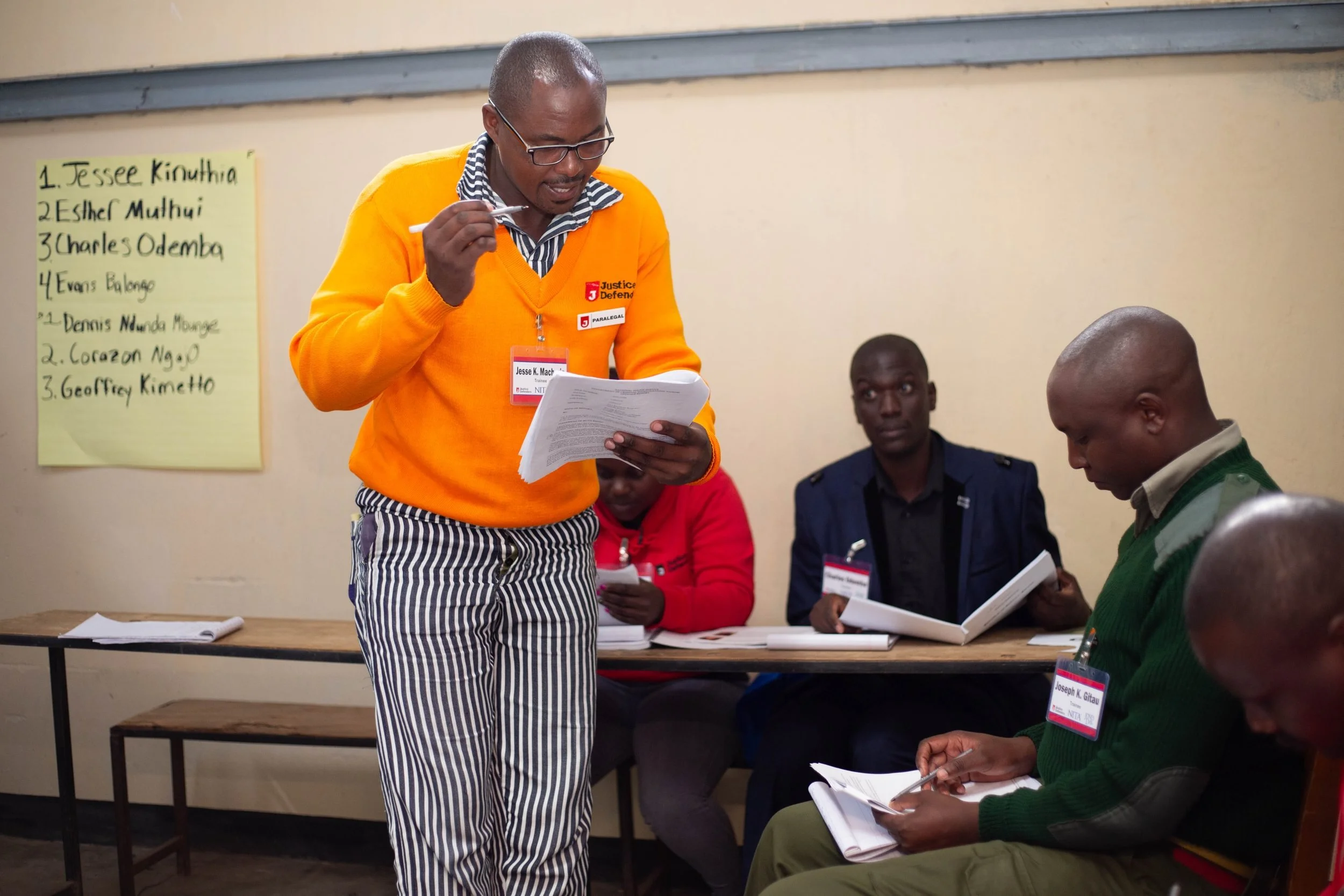
We train people in prison and prison staff side by side as paralegals. They learn law, court procedure, ethics, client interviewing, legal research, and case preparation so they can serve their prison communities.
4. Identify cases
Our paralegals meet incarcerated people who need legal services. They review case information, court records, charges, and sentences to understand each case and identify what legal action is available.

3. Build legal offices
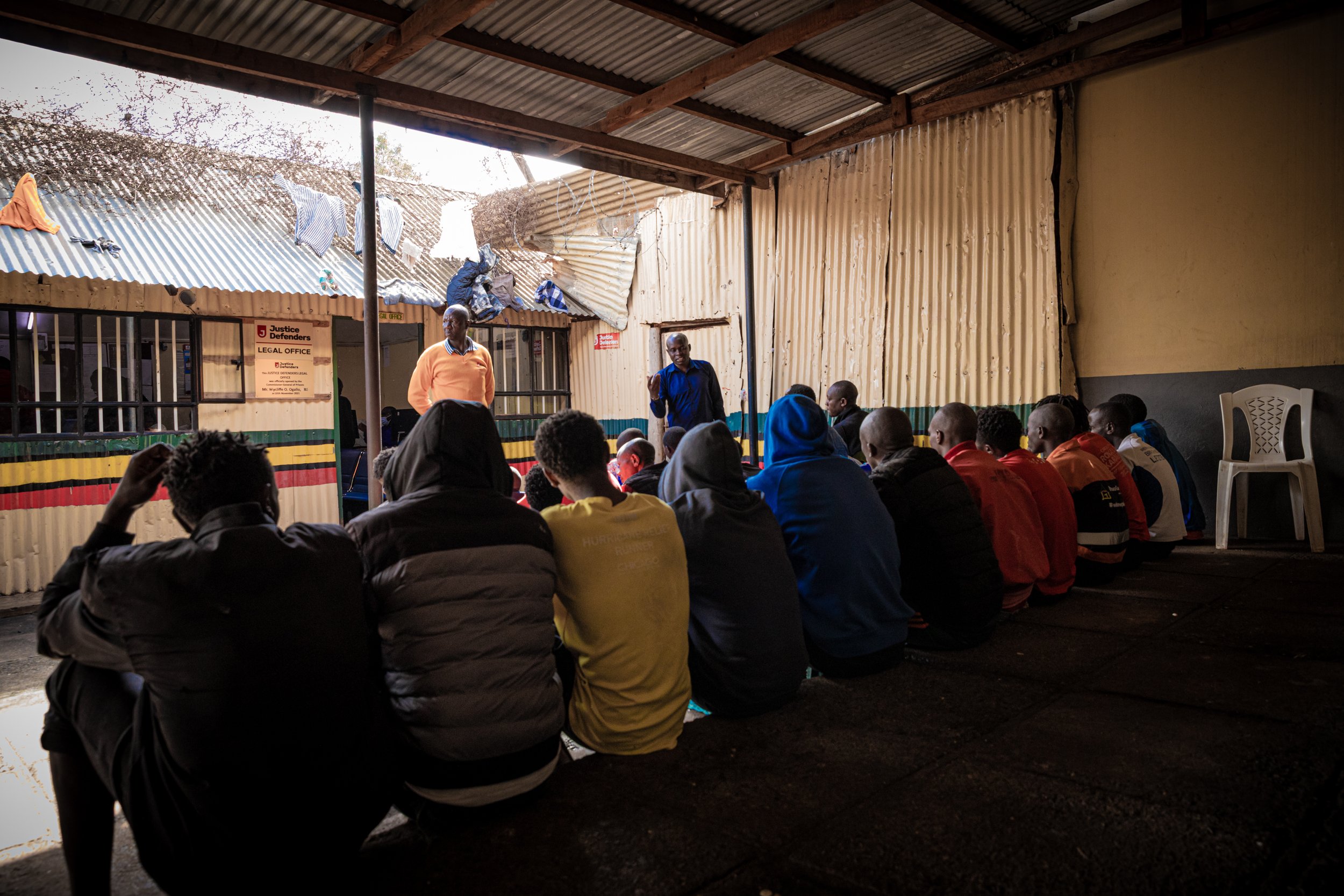
We work within partner prisons to build and run legal offices. Our paralegals use these offices to meet clients, trace files, research the law, review cases, prepare documents, and manage ongoing casework.
5. Advise and prepare clients
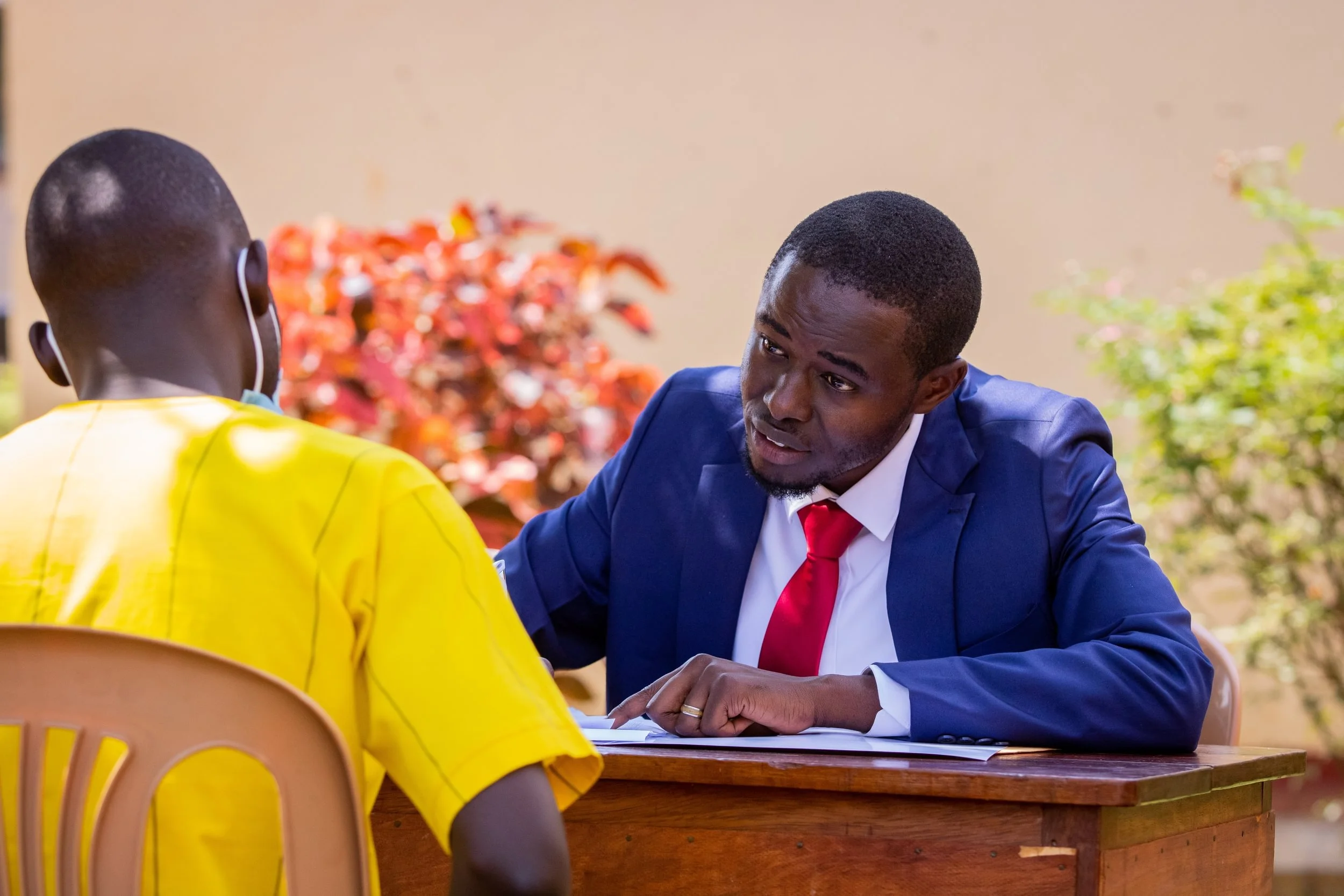
Our paralegals explain the law and court process, advise clients on their options, gather information, prepare cases, and draft court correspondence. They equip defendants to understand and participate in their own defence.
6. Enable effective defence
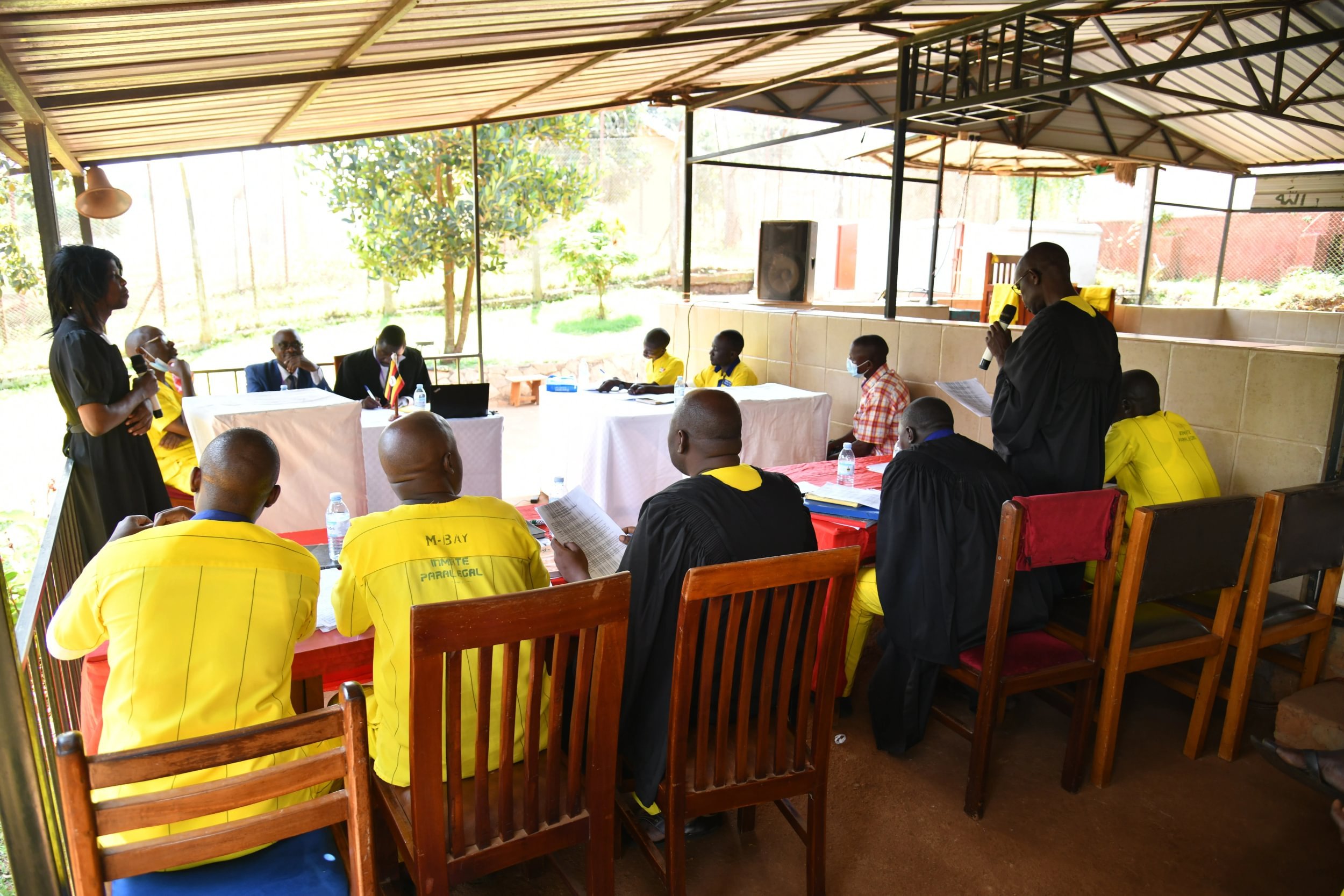
Our paralegals equip clients for self-representation and work in partnership with qualified legal practitioners. Where legal representation is required, our legal practitioners represent defendants and pursue the appropriate legal remedy.
7. Connect prisons and courts
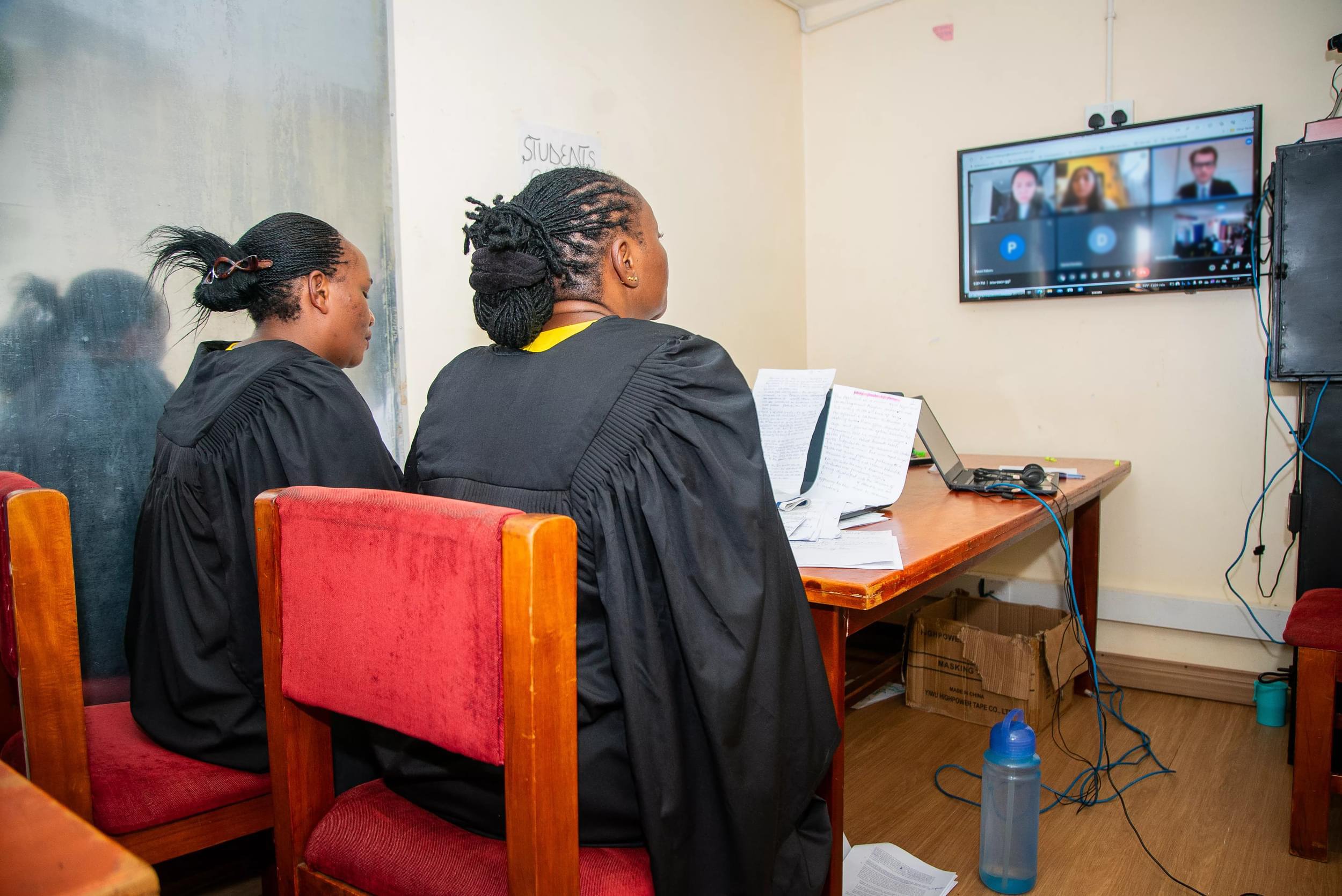
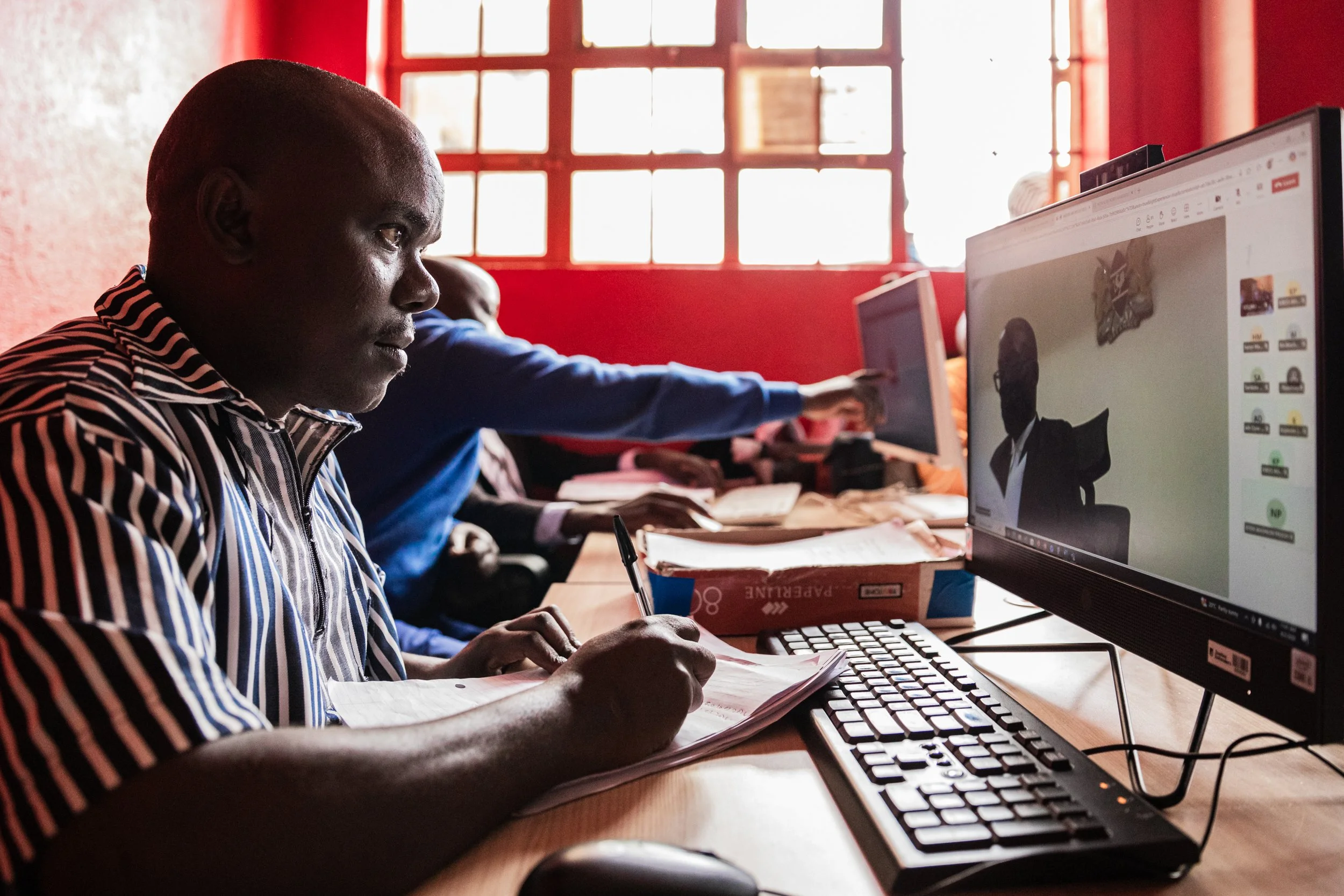
We work with prison services and judiciaries to connect people in prison with the courts. In Kenya and Uganda, virtual courts use secure video links so judges can hear cases while defendants appear from prison, reducing the need for physical transfers and helping cases move through the system more quickly.

9. Advance legal education
We provide accredited legal education in partnership with the University of London. People in prison and prison staff can study for Bachelor of Laws degrees alongside their legal practice. We support graduates who progress towards professional legal training and practice.
8. Supervise and follow cases
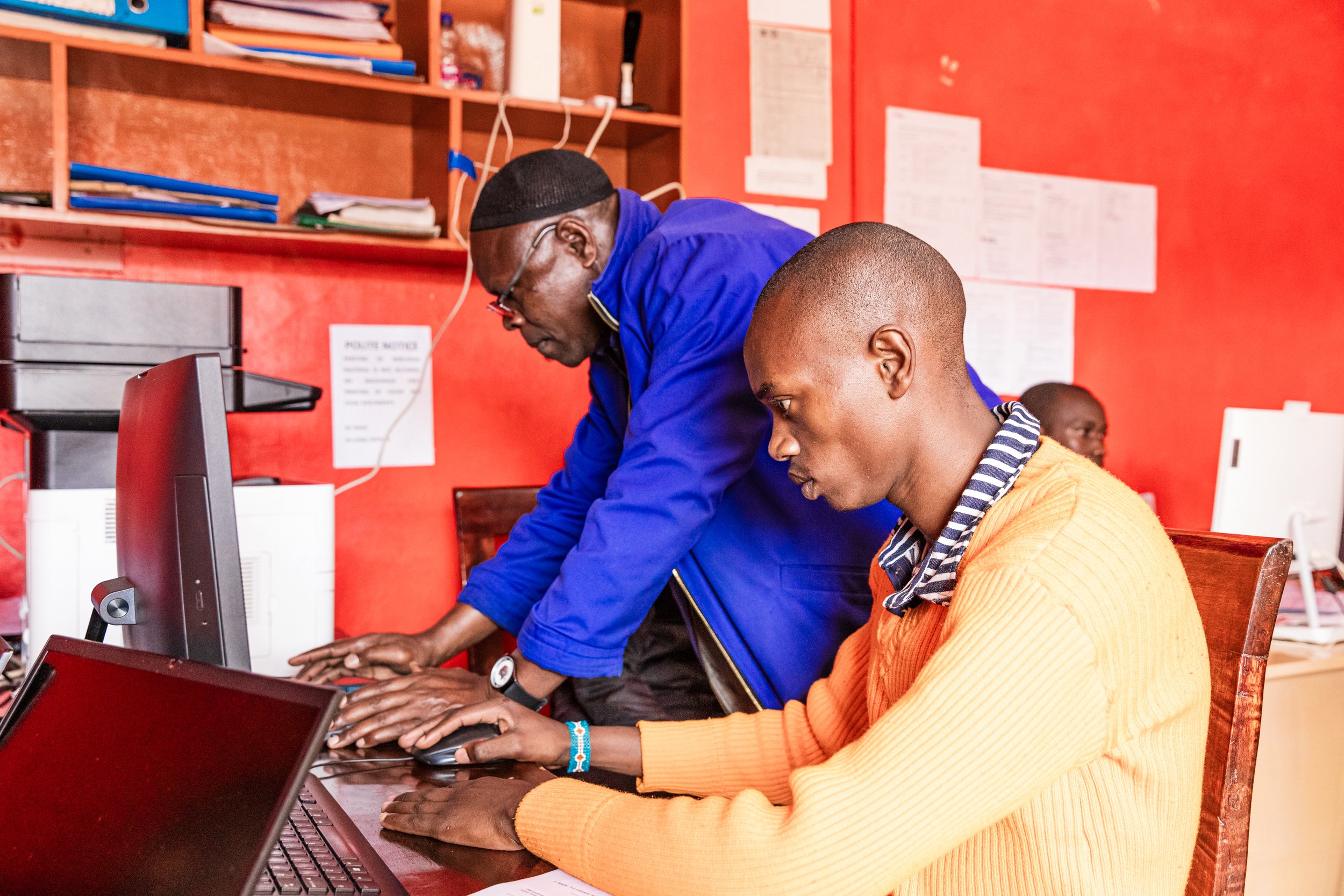
Our legal teams supervise paralegal casework, review cases, and support compliance with national legal practice requirements. Our paralegals continue working with clients as cases progress, responding to developments and preparing the next legal steps.
10. Strengthen the justice system
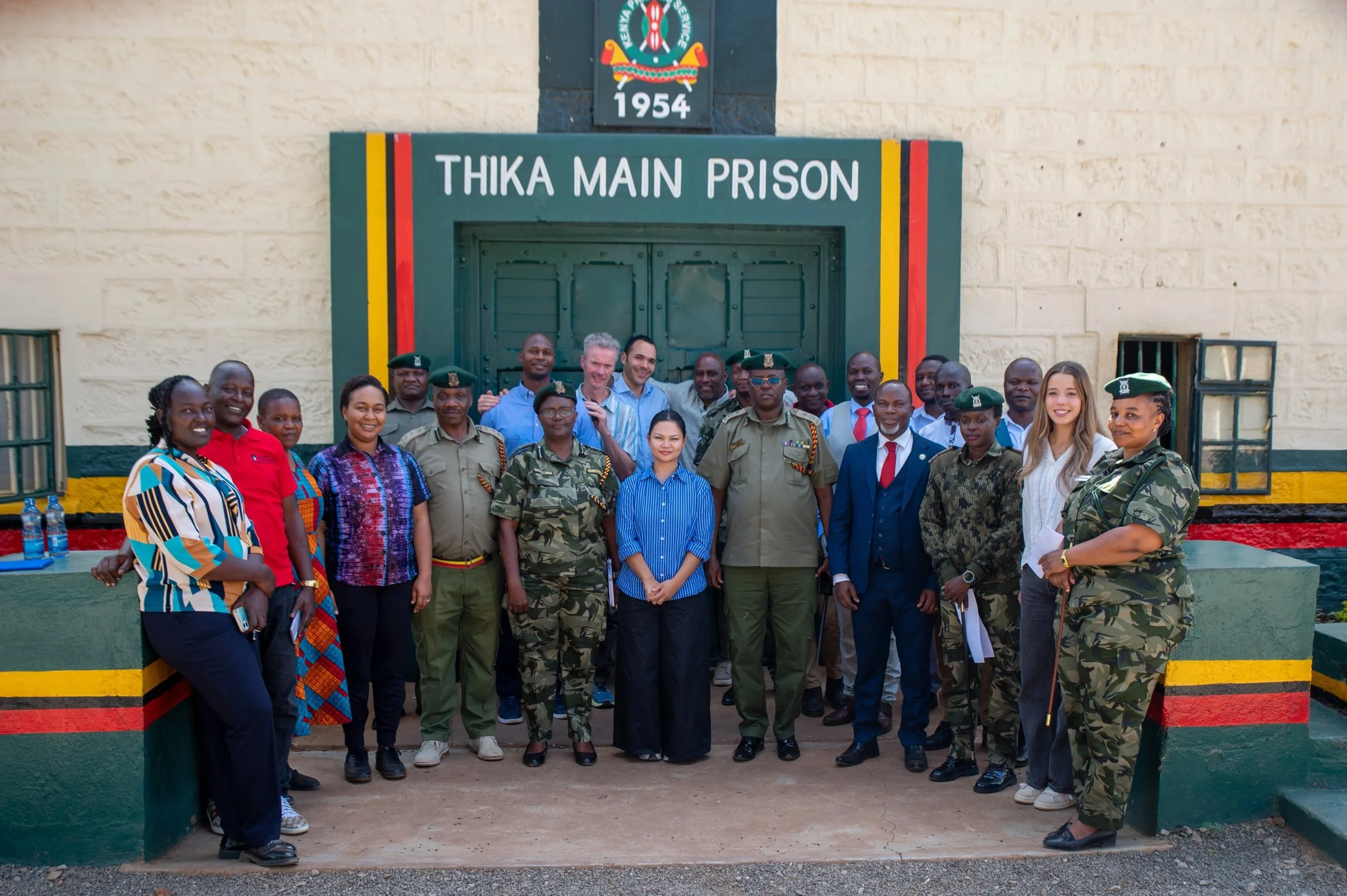
We bring our prison communities together with prison leaders, judges, lawyers, universities, and families to share expertise and address problems within the system. We use legal practice, public interest litigation, education, and convening to strengthen how justice is understood, applied, and delivered.
A model for justice systems worldwide
Starting in Kenya and Uganda, and now expanding to the United States, we are building a model for how to expand access to justice by strengthening legal capacity from within prisons and courts.